
Search Website
Close

Close
-
Home
-
What we do
-
Get Involved
-
Home
-
What we do
-
Get Involved
Close
-
Home
-
What we do
-
Get Involved
-
Home
-
What we do
-
Get Involved
Warming Hearts and Hands: The Infrared Transformation at Lipscomb Hall
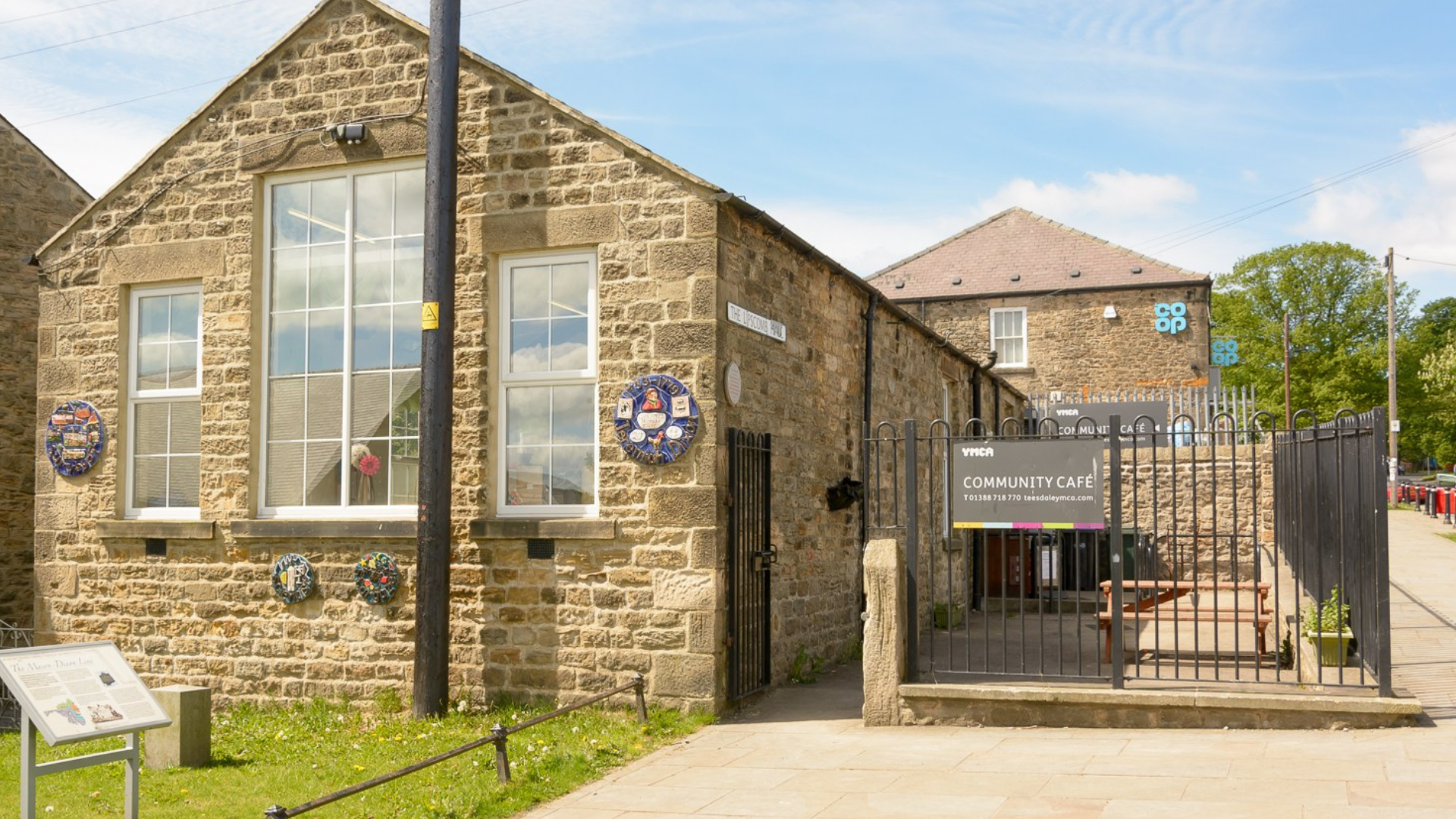
In the heart of Teesdale, the Cockfield Community Cafe at Lipscomb Hall has long been a vital sanctuary. Whether it’s providing affordable hot meals through the YMCA or serving as a gathering point for the local church congregation, the hall is a cornerstone of community life. However, for years, the building faced a persistent, literal chill: an aging 18th-century structure reliant on inefficient electric storage heaters.
This winter, that changed. By transitioning to a modern Infrared Heating solution, we’ve turned a drafty hall into a genuine “warm space” for everyone who walks through its doors.
Lipscomb Hall relies solely on electricity, making traditional gas central heating impossible. The old storage heaters were not only expensive to run but fundamentally ineffective. During the winter months, it was common to see cafe visitors eating lunch in their heavy coats, and the YMCA team often had to hand out hot water bottles just to keep guests comfortable.
This wasn’t just a matter of comfort; it was a matter of sustainability. High energy bills were straining the church’s finances and, by extension, increasing the rent for the YMCA. For a community already hit hard by the cost-of-living crisis, arriving at a “warm hub” only to find it as cold as their own homes was a heartbreaking reality.
Working alongside the County Durham BEEP team and energy consultants, the YMCA secured funding to install a series of Infrared Heating Panels.
Unlike traditional heaters that try to warm the air (which quickly rises to the high ceilings of old halls), infrared panels heat objects and people directly. This makes them the perfect choice for a large, historic space like Lipscomb Hall. Coupled with a new, intelligent thermostat system, the team now has precise control over exactly when and where the heat is needed.
While we are currently monitoring the long-term data with the Parochial Church Council (PCC) to track the exact reduction in electricity costs, the immediate human impact of the 2025/26 winter season has been undeniable:
- Dignity in Comfort: Residents can finally enjoy a hot meal and support services in a truly warm environment, leaving their coats at the door.
- Wider Reach: The benefits extend to everyone, from the church congregation to the YMCA youth groups who use the hall in the evenings.
- Financial Sustainability: By lowering the building’s carbon footprint and energy waste, we are ensuring that both the church and the YMCA cafe remain financially viable for years to come.
The Lipscomb Hall project is a prime example of how a smart environmental upgrade can have a direct social impact. We expect to see significant cost savings reflected in our energy audits over the next six months, but the most important metric—the comfort and smiles of our community—is already through the roof.